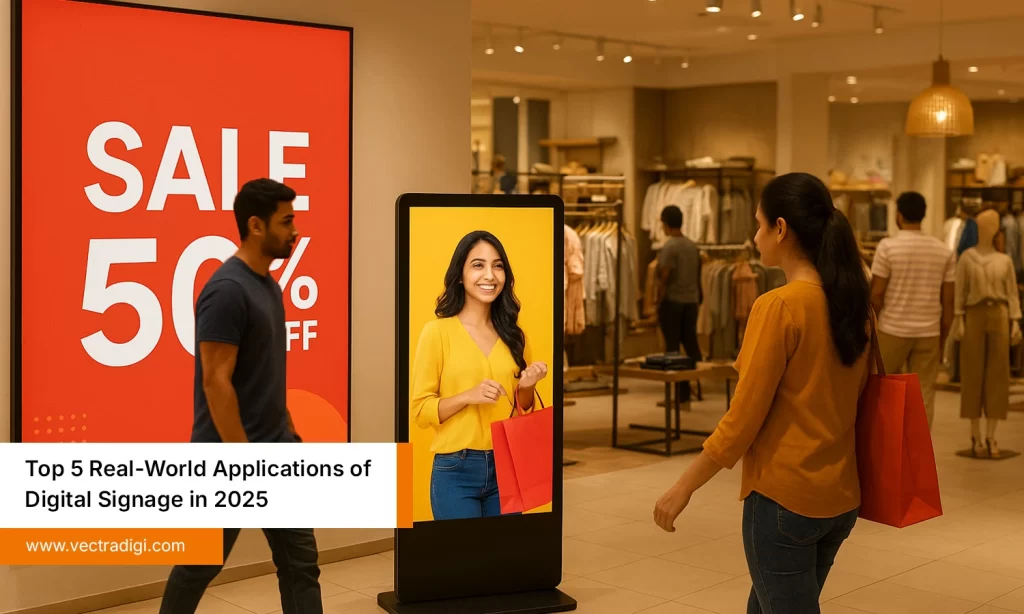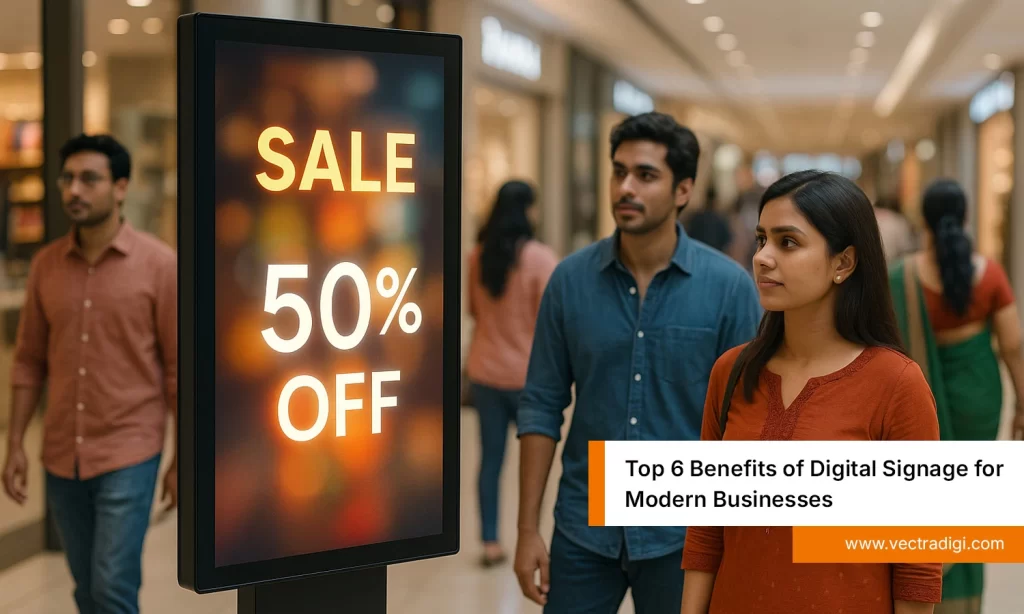
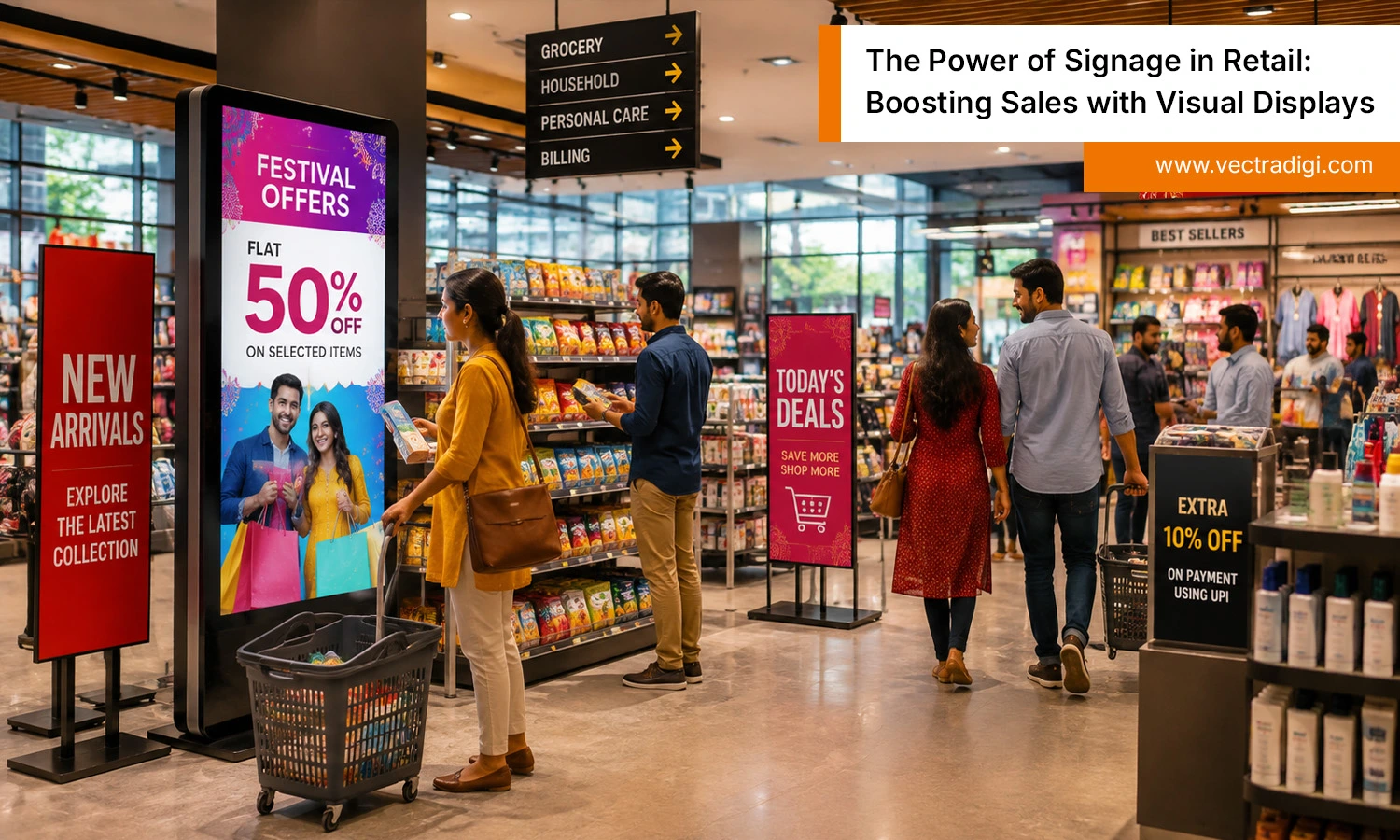
Walk into any successful retail store today, and one thing quickly stands out—clear, attractive, and well-placed visual displays. Modern shoppers are surrounded by choices, making it harder than ever for businesses to grab attention. This is where signage in retail becomes a powerful marketing tool. It helps stores communicate offers, guide customers, strengthen brand identity, and encourage purchases without saying a word. Both traditional signs and digital displays can enhance the shopping experience when designed and placed effectively. In this blog, we’ll explore why retail signage matters, its benefits, best practices, common mistakes, how to choose the right signage, and answer common questions.
Table of Contents
- Why Signage Has Become Essential for Modern Retail
- How Signage in Retail Influences Customer Buying Decisions
- Benefits of Using Modern Signage in Retail
- Best Practices for Effective Retail Signage
- Common Mistakes Retailers Should Avoid
- How to Select the Best Signage for Your Retail Store
- Conclusion
- Frequently Asked Questions
Also Read: How Signage Used in Hospitals Improves Navigation and Safety
Why Signage Has Become Essential for Modern Retail
Retail competition continues to grow, while customers spend only a few seconds deciding where to look and what to buy. Strong visual communication helps businesses capture attention before competitors do. Effective signage in retail not only promotes products but also improves navigation, creates memorable experiences, and reinforces brand identity. Well-designed signage makes stores feel organized, professional, and inviting, encouraging customers to stay longer and explore more. As shopping habits continue to evolve, retailers that invest in eye-catching, informative displays gain a valuable advantage in attracting customers and increasing sales.
Key Takeaways:
- Attracts customer attention quickly.
- Improves shopping convenience.
- Promotes products and special offers.
- Strengthens brand recognition.
- Encourages higher customer engagement.
How Signage in Retail Influences Customer Buying Decisions
- Creates a Strong First Impression: The first few seconds matter. Attractive signage in retail immediately captures attention, reflects professionalism, and encourages shoppers to enter the store with confidence and curiosity to explore products.
- Guides Customers Easily: Clear directional signs help customers locate departments, product categories, billing counters, and exits quickly. Easy navigation creates a smoother shopping experience while reducing confusion and unnecessary frustration.
- Highlights Offers and Discounts: Promotional signage instantly draws attention to discounts, limited-time deals, seasonal campaigns, and featured products. Visible offers encourage shoppers to stop, explore, and make quicker purchasing decisions.
- Encourages Impulse Purchases: Strategically placed signs near checkout counters or high-traffic areas showcase complementary products and exclusive offers, encouraging customers to add unplanned items to their shopping carts before payment.
- Builds Brand Recognition: Consistent colors, fonts, logos, and messaging across retail signage strengthen brand identity. Visually attractive stores leave a lasting impression, helping build customer trust and encouraging them to return.
- Improves Shopping Experience: Clear and helpful signage provides answers to frequently asked questions, making it easier for customers to shop independently while maintaining an organized store environment. A smoother shopping experience often results in greater satisfaction, better reviews, and repeat business.
Benefits of Using Modern Signage in Retail
- Increases Store Footfall: Eye-catching displays attract attention from people passing by the store. Attractive signage creates curiosity, encourages walk-ins, and helps retailers bring more potential customers through the entrance every day.
- Boosts Product Visibility: Well-designed signage highlights featured products, new arrivals, and seasonal collections. Displaying key products more prominently increases customer awareness and improves the likelihood of turning interest into purchases.
- Improves Customer Engagement: Interactive and visually appealing displays encourage shoppers to spend more time exploring products. A higher level of customer engagement encourages product discovery and supports more confident buying decisions.
- Strengthens Brand Identity: Using consistent colors, fonts, and messaging across retail signage reinforces brand identity while creating a polished and professional appearance. Frequent and consistent brand visibility reinforces recognition and encourages stronger customer confidence over time.
- Supports Faster Purchase Decisions: Customers appreciate clear information about prices, product features, and promotions. Easy-to-understand signage simplifies product comparisons, reducing hesitation and encouraging faster purchasing decisions.
- Increases Sales Opportunities: Well-positioned promotional signage highlights related products, special offers, and popular items, encouraging customers to explore more. This encourages additional purchases and increases the average value of every shopping basket.
- Delivers Better Marketing ROI: Unlike short-term advertising campaigns, retail signage provides uninterrupted brand visibility inside and outside the store throughout the day. A one-time investment delivers long-term promotional value while supporting multiple marketing campaigns throughout the year.
- Enables Quick Content Updates: Digital signage helps retailers update promotions, pricing, and announcements quickly, ensuring customers always see accurate and up-to-date information. Fresh content keeps stores relevant, improves communication, and ensures customers always receive the latest information.
Best Practices for Effective Retail Signage
- Keep Messages Simple: Customers usually glance at signage for only a few seconds. Short, clear messages with easy-to-read fonts help communicate information quickly, making promotions and product details easier to understand.
- Use High-Quality Visuals: Sharp images, vibrant colors, and professional graphics make signage more attractive. High-quality visuals capture attention, enhance product appeal, and create a positive impression that encourages customer engagement.
- Place Signage Strategically: Position signage where customers naturally look, including entrances, product displays, checkout counters, and busy walkways. Proper placement increases visibility and ensures important messages reach more shoppers effectively.
- Maintain Consistent Branding: Use the same colors, fonts, logos, and design style across every sign. Consistent branding creates familiarity, strengthens brand identity, and gives the retail store a professional, trustworthy appearance.
- Update Promotional Content Regularly: Refresh promotional messages, pricing, and seasonal campaigns frequently. Updated signage keeps displays relevant, encourages repeat visits, and shows customers that the store always offers something new.
- Measure Performance and Improve: Track customer responses, product sales, and promotional results regularly. Insights from signage performance help retailers improve campaign effectiveness and make better marketing decisions.
Common Mistakes Retailers Should Avoid
- Using Too Much Text: Crowded signage overwhelms shoppers and reduces readability. Keep messages short, highlight only the most important information, and use simple language so customers understand the message within seconds.
- Poor Placement: Even attractive signage fails if customers cannot see it. Keep signage away from shelves, crowded visual areas, and low-visibility locations where customers may overlook important information.
- Low-Quality Graphics: Blurry images, faded colors, and poor printing reduce credibility. High-quality visuals create a professional appearance, improve product appeal, and leave customers with a stronger impression of the brand.
- Ignoring Brand Consistency: Using different colors, fonts, or messaging across signs creates confusion. Consistent branding builds recognition, strengthens trust, and gives customers a more professional and memorable shopping experience.
- Not Updating Promotions: Displaying expired offers or outdated prices disappoints customers and reduces confidence. Regular updates keep signage accurate, maintain credibility, and encourage shoppers to trust current promotional campaigns.
- Forgetting Customer Navigation: Customers should easily find products, departments, and checkout counters. Clear directional signage improves navigation, reduces frustration, and creates a smoother shopping journey from entry to purchase.
How to Select the Best Signage for Your Retail Store
Choosing the right signage is not only about design. It is about understanding customer behavior, store layout, and business goals. Effective visual displays capture attention, communicate key information, and create a shopping experience that motivates customers to act. Before investing, consider these important factors.
- Understand Your Target Audience: Every customer group has different preferences. A fashion store may benefit from bold, stylish visuals, while a supermarket needs clear directional signs and promotional displays. Designing signage around customer expectations improves engagement and creates a more enjoyable shopping experience.
- Match Signage to Your Store’s Objectives: Decide what each sign should achieve. Some signs attract customers from outside, while others promote offers, introduce new products, or guide shoppers inside the store. Choosing signage with a clear purpose improves its effectiveness and supports business goals.
- Focus on Visibility and Placement: Even the best-designed signage cannot deliver results if customers rarely notice it. Position signage at store entrances, product displays, checkout areas, and other locations with high customer traffic. Proper positioning ensures important messages reach customers at the right moment.
- Prioritize Readability and Brand Consistency: Use easy-to-read fonts, balanced colors, and clear messaging that reflects your brand identity. Consistent design across every sign creates a professional appearance, strengthens brand recognition, and helps customers remember your business long after they leave.
- Consider Digital Signage for Greater Flexibility: Digital displays make it easy to update prices, promotions, and announcements instantly. They also attract attention with dynamic content, helping retailers respond quickly to seasonal campaigns, changing inventory, and customer preferences without replacing printed materials.
- Evaluate Performance Regularly: Monitor customer engagement, sales trends, and the effectiveness of different displays. Reviewing performance helps identify what works best, allowing retailers to improve future signage strategies and achieve better results over time.
Conclusion
Effective signage in retail does much more than decorate a store. It captures shoppers’ interest, guides them throughout the store, highlights key products, and creates a positive experience that drives repeat business. From showcasing products to building a recognizable brand, effective signage enhances every part of the customer experience. By following proven best practices, avoiding common mistakes, and selecting displays that match business goals, retailers can improve customer engagement and drive higher sales. As consumer expectations continue to evolve, investing in smart, visually appealing signage is no longer optional. It is a practical step toward building a more successful and competitive retail business.
Transform your retail space with innovative signage solutions from Vectradigi. Create engaging customer experiences, strengthen your brand presence, and boost sales with high-quality digital display solutions tailored to your business.
Frequently Asked Questions
Q1. Why is signage important in retail stores?
Ans: Retail signage attracts attention, guides shoppers, promotes products, and improves the overall shopping experience. It helps customers make faster decisions while strengthening brand visibility and increasing sales opportunities.
Q2. How does digital signage improve retail sales?
Ans: Digital signage displays engaging promotions, product information, and real-time updates. Dynamic content captures customer attention, encourages impulse purchases, and allows retailers to update campaigns quickly without additional printing costs.
Q3. What makes effective retail signage?
Ans: Effective retail signage uses clear messaging, attractive visuals, readable fonts, consistent branding, and strategic placement. Together, these elements improve communication, customer engagement, and the overall shopping experience.
Q4. How often should retail signage be updated?
Ans: Retail signage should be updated whenever promotions, pricing, seasonal campaigns, or product collections change. Regular updates keep information accurate, maintain customer trust, and encourage shoppers to return for new offers.